Six stages. Each one ends with something you can review and approve before we move on.
1
01
Idea
We talk about the goal, the users and the constraints. We check the idea makes sense before you spend anything.
You get
A note with a recommendation and a first estimate
01
Idea
The first call takes about an hour and is free. We ask about users, competitors and what has to work in the first version. If a smaller scope or a different approach serves your goal better, we say so before you spend any money.
A call about goals and users
Scope of the first product version
Budget and timeline range
Stage outcome
A go / no-go decision with no commitment
2
02
Onboarding
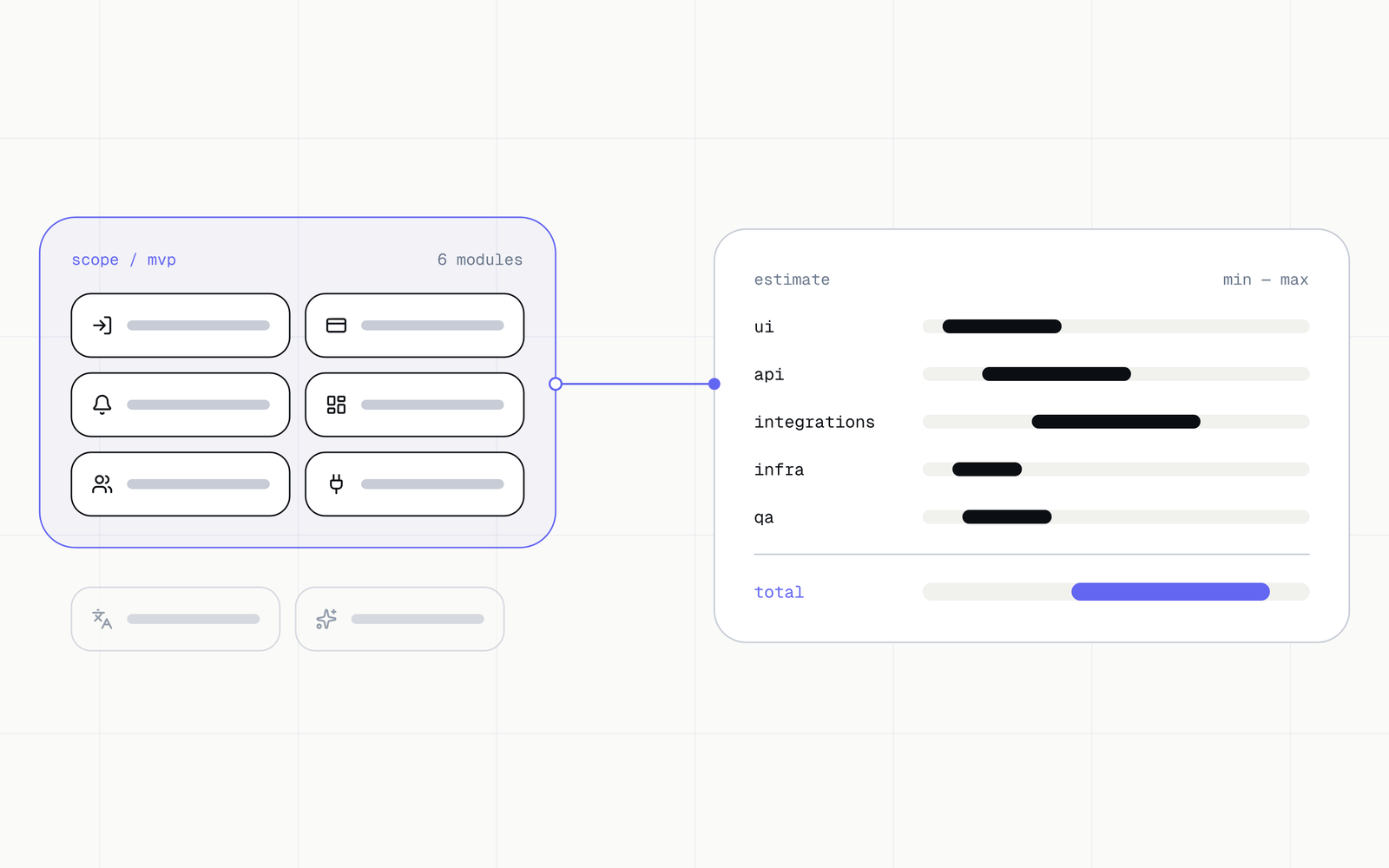
In 1 to 2 weeks we turn the conversation into a plan: scope, schedule and a fixed quote.
You get
Scope, schedule and a fixed quote
02
Onboarding
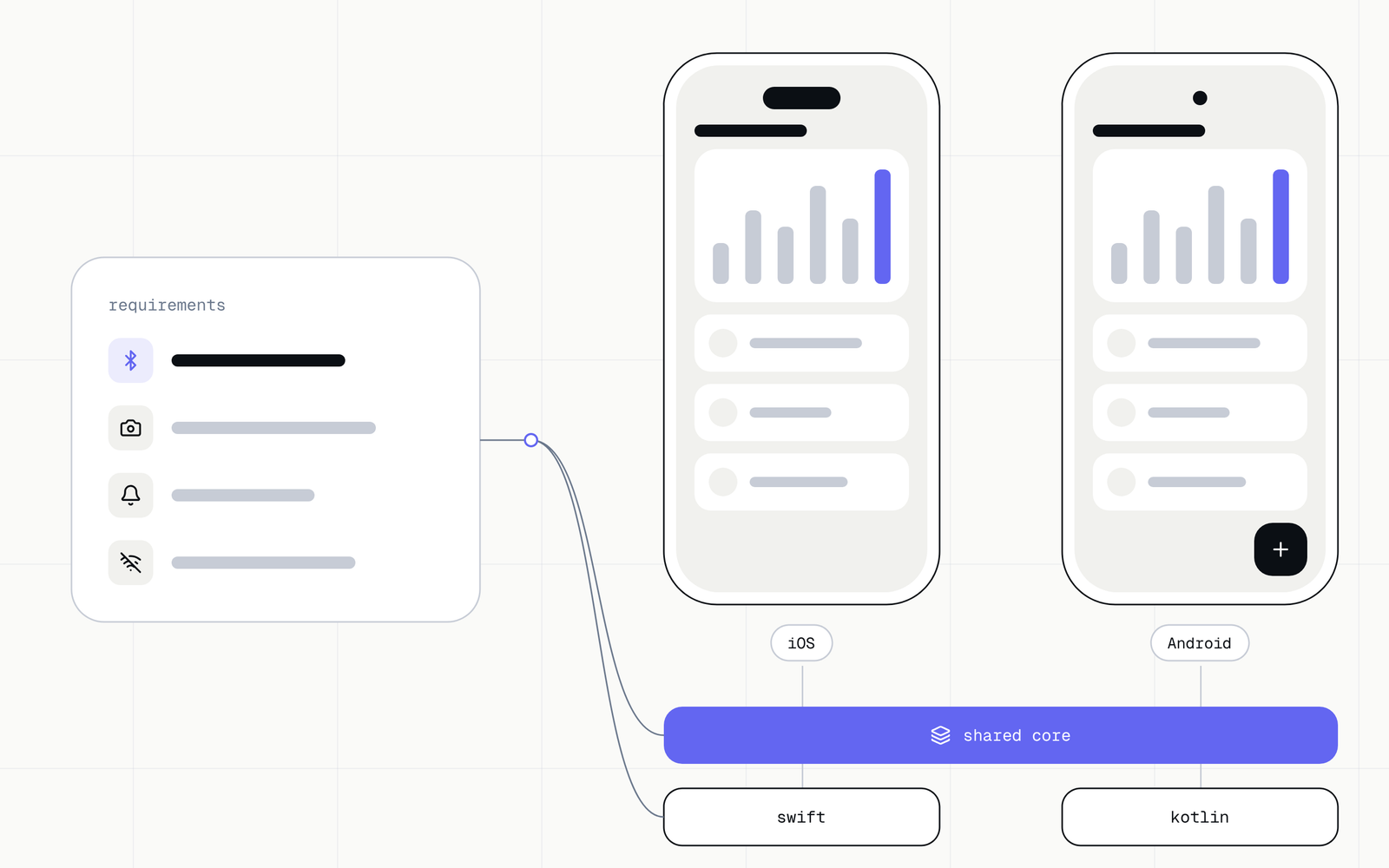
We run a discovery workshop with your key people, map the processes and write the requirements into one document we approve together. You get a stable team and one contact channel.
Discovery workshop (2 to 3 hours)
Map of processes, risks and priorities
Shared channel and a steady meeting rhythm
Stage outcome
Signed scope: you know how much and when
3
03
Design
Wireframes, prototype and design system. You click through the product before any code exists.
You get
A clickable prototype in Figma
03
Design
Every week we show new screens. You click through the prototype in a browser or on a phone like a finished product. A change at this stage costs a few hours. After the code is written it would cost weeks.
User flows and architecture
Screen mockups in Figma
Prototype tests with users
Stage outcome
An approved prototype is the finished spec
4
04
Product
We build in two-week sprints. Each one ends with a working demo.
You get
A working build every sprint
04
Product
Every two weeks you get a new version to test and a list of changes. You set the priorities. We own the quality: automated tests, code review and security.
Demo and test build every 2 weeks
Automated tests and code review
A staging environment you can open any time
Stage outcome
A release-ready version
5
05
Launch
We release the product to production and, when it includes a mobile app, to the App Store and Google Play.
You get
Security audit report, product in production and full access
05
Launch
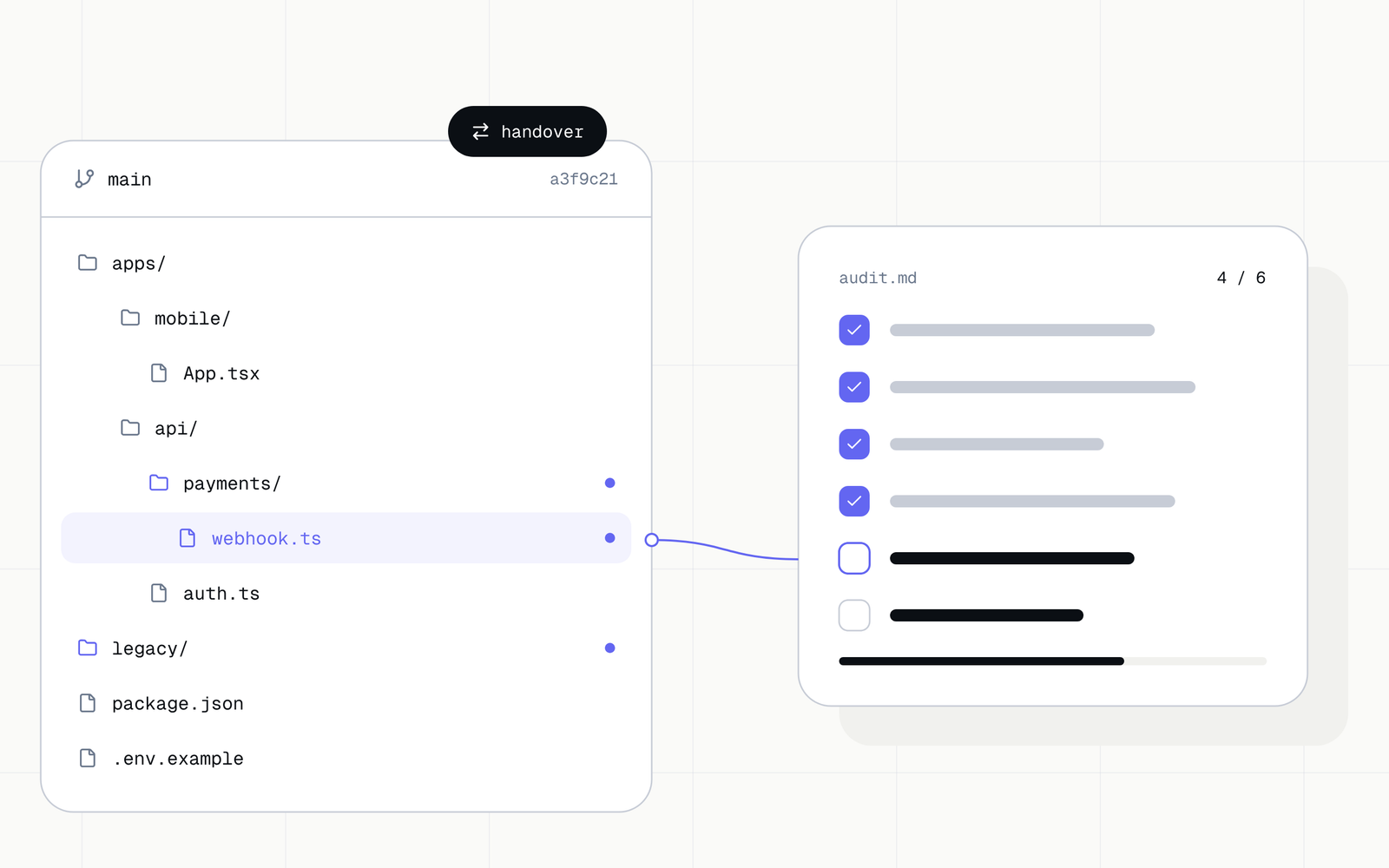
Before launch we run a security audit: OWASP Top 10, dependencies, permissions and backups, and you get the report with the product. We set up infrastructure and monitoring, migrate data and train your team.
Security audit: OWASP Top 10, dependencies, access, backups
Acceptance tests together with you
Production release and, where needed, store release
Stage outcome
Product audited for security, users on board
6
06
Growth and care
The product keeps running and we look after it: fixes, updates and new features along the roadmap.
You get
A monthly report and roadmap
06
Growth and care
System updates, monitoring and an analytics report every month. You pay for what we actually build and adjust the scope month by month.
Monitoring, updates and vulnerability patching
New features along the roadmap
Analytics report every month
Stage outcome
The product develops along the agreed roadmap
PRODUCT CASE STUDIES
Three products. Three different challenges.
A bug-reporting tool, a system for fitness clubs and a family organiser. Each one started from a different user problem.
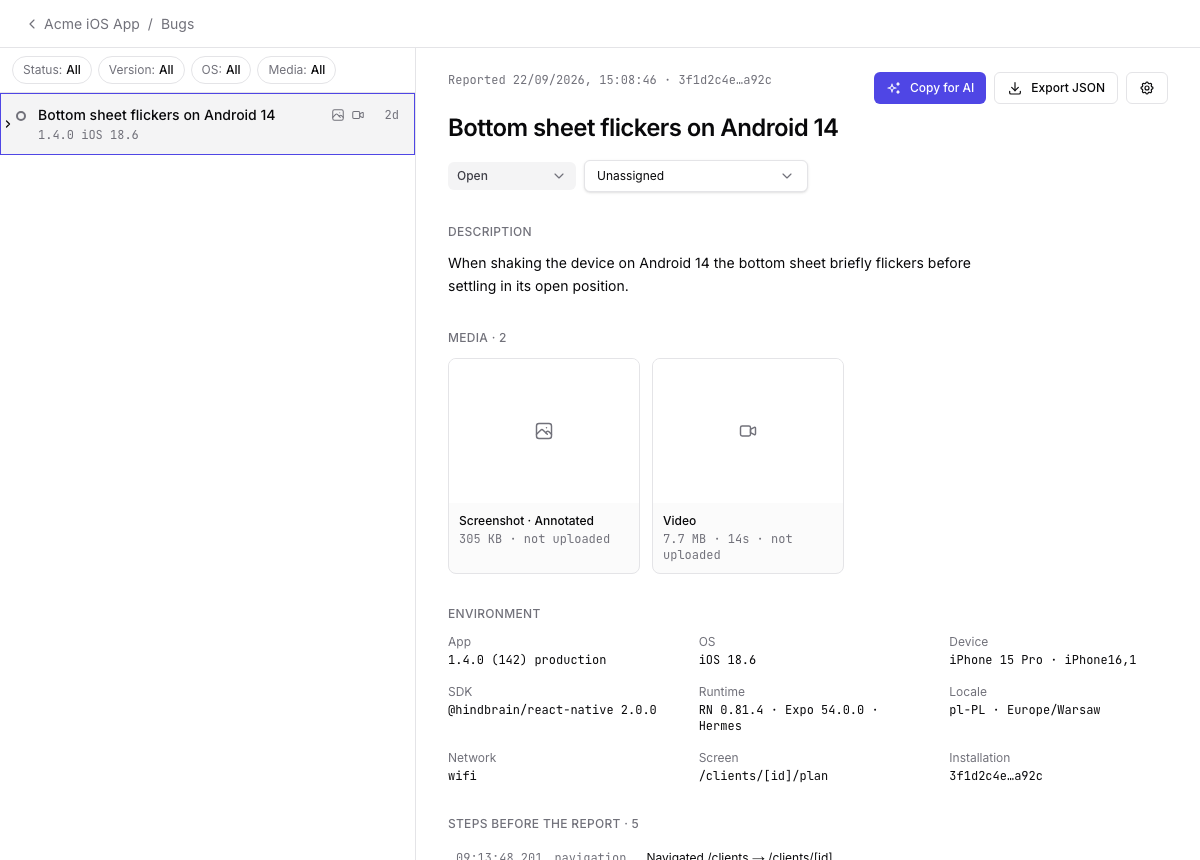
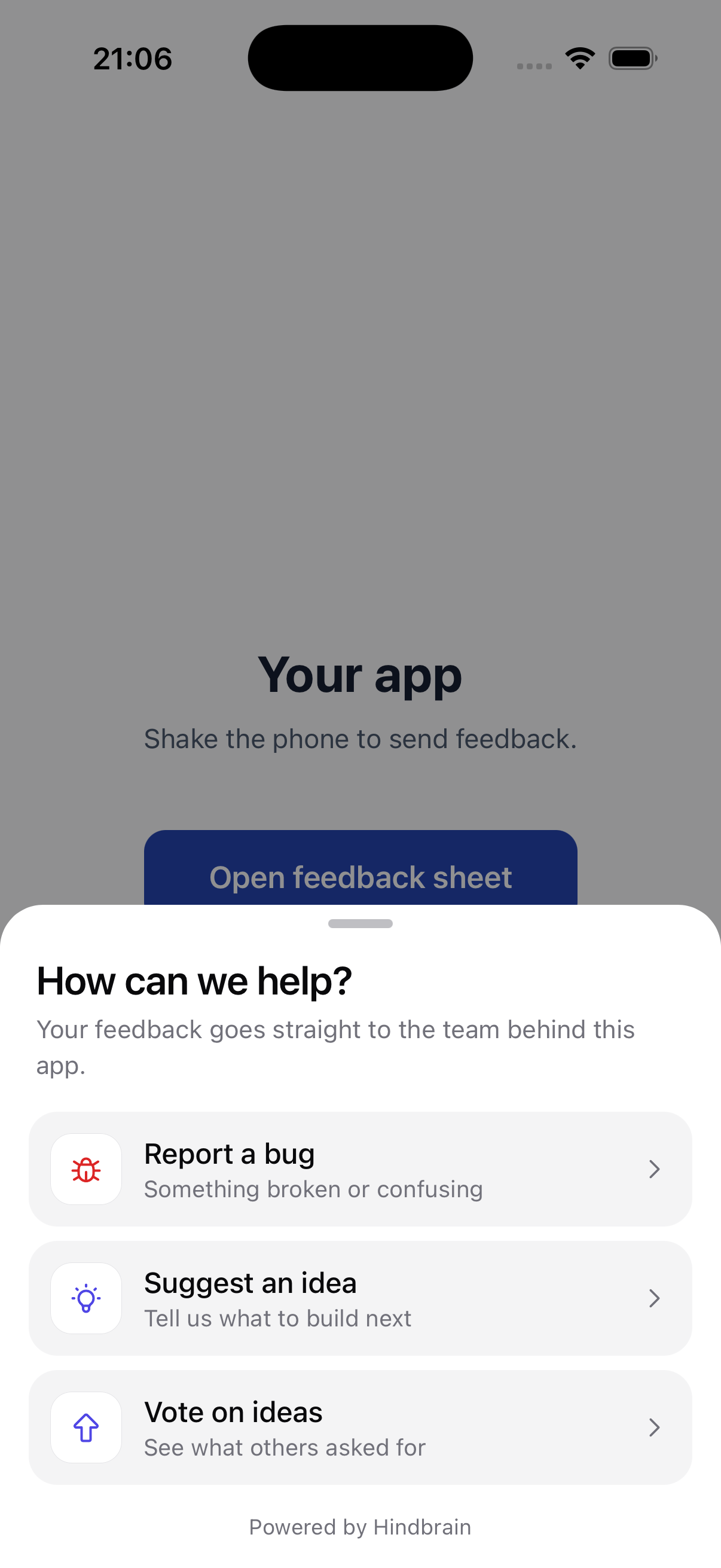
Reflex is an SDK for teams that build React Native apps and want bug reports they can reproduce. A tester shakes the phone, and the developer gets an annotated screenshot, logs and the last fifty steps.
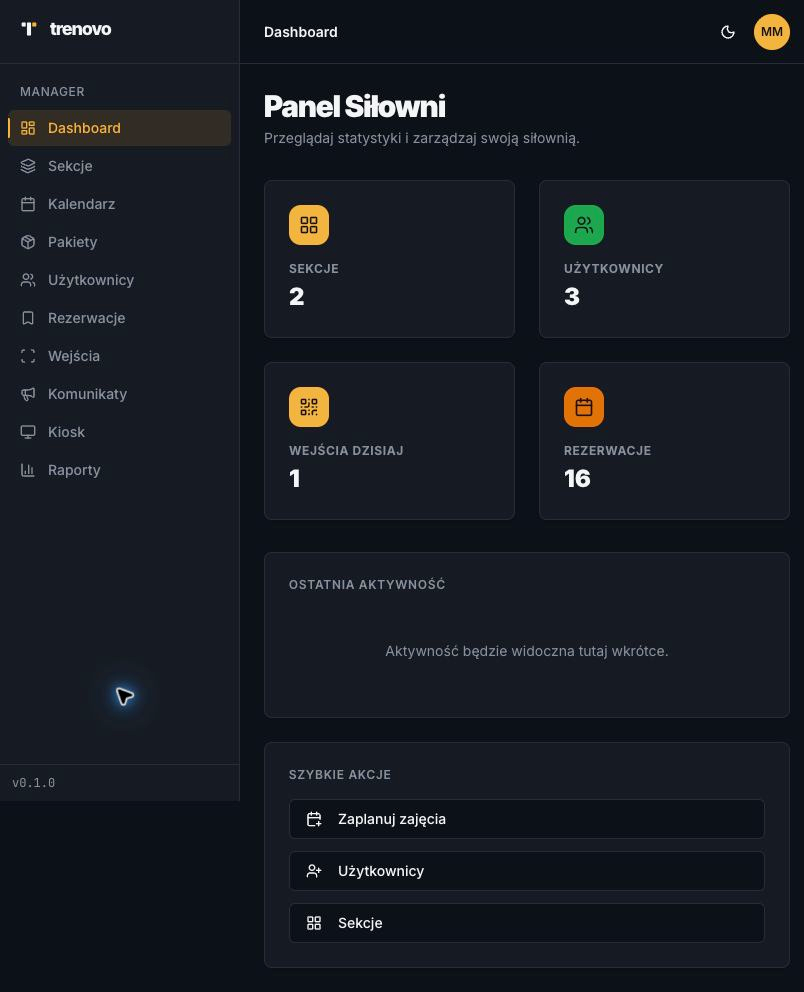
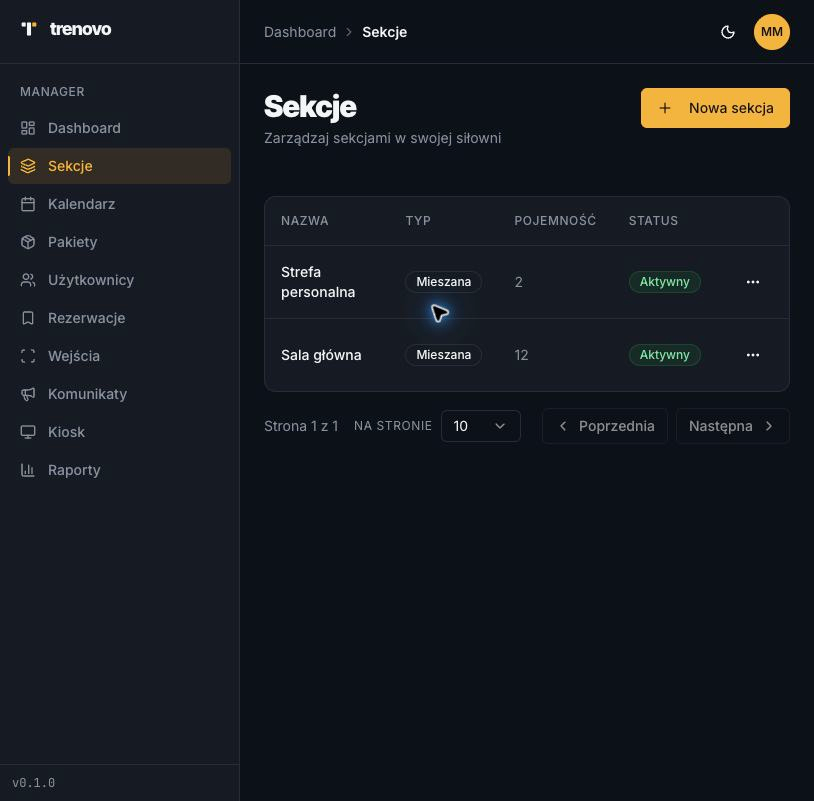
Trenovo Fit is for owners and managers of fitness clubs who run memberships, entries and schedules across several tools. They get one web panel, an app for trainers and members, and a tablet at the entrance.
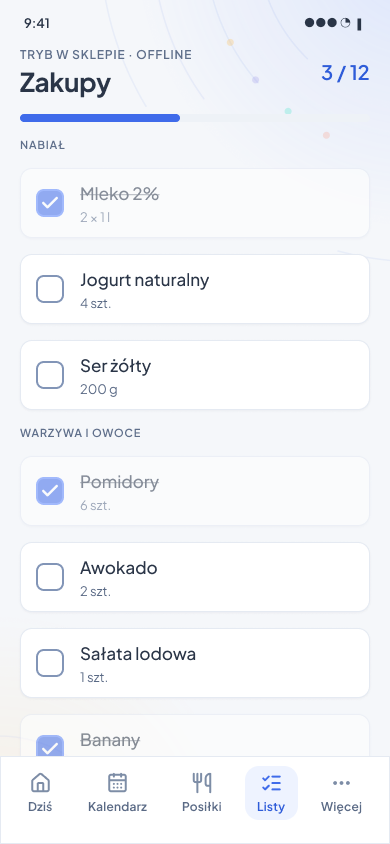
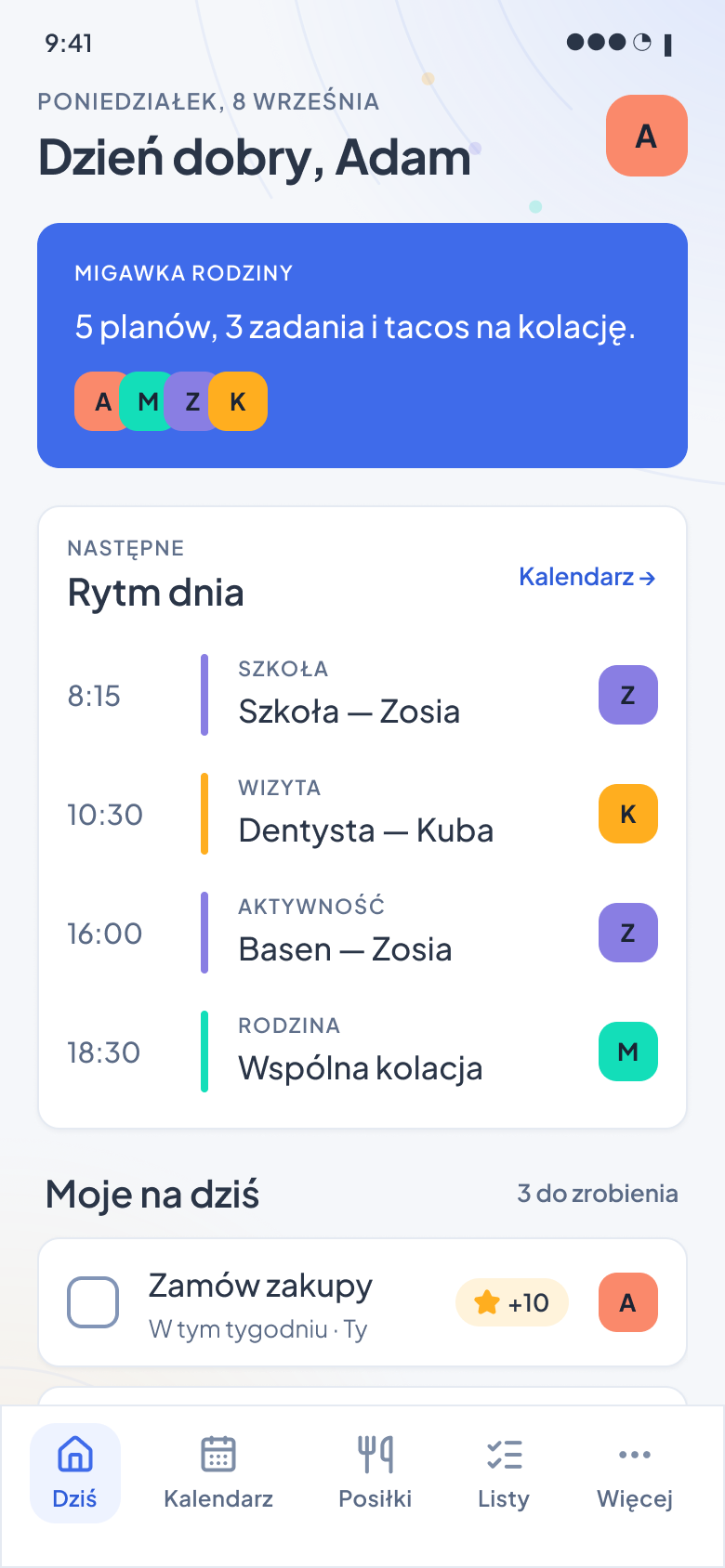
Kokon is for families whose calendar, shopping and kids' chores live in five different places. It brings them together in an app for phone and tablet, and the materials on this page are mockups, not a working app.

 hindbrain